Introduction: The Crucial Role of Packaging
In the modern retail and logistics ecosystem, packaging is no longer just a container; it has evolved into a strategic marketing asset. When writing about Small Product Boxes Offer Customer Friendly Custom Packaging But How, we look at the intersection of branding, customer psychology, and environmental sustainability. Research shows that consumers make buying decisions in a matter of seconds based on the structural feel and visual contrast of a product on the shelf. This guide explores how custom container designs and advanced print finishes help businesses capture market share and improve margins.
The visual appeal of your packaging sets expectations. Whether you are shipping custom boxes to e-commerce customers or displaying them on retail shelves, the box represents your dedication to quality. Throughout this article, we will examine materials, structural design principles, finishing enhancements, compliance guidelines, and logistics solutions to give you a complete understanding of industry best practices.
Analyzing Design Trends and shelf Presentation
A premium design balances visual elements, text hierarchy, and whitespace. When styling a box, the brand logo must be the focal point, supported by harmonious color palettes and clean typography. Using modern fonts instead of default system layouts adds a professional look. We recommend placing important brand statements, warning labels, and state-mandated compliance disclaimers clearly on back panels, leaving front covers clean and uncluttered.
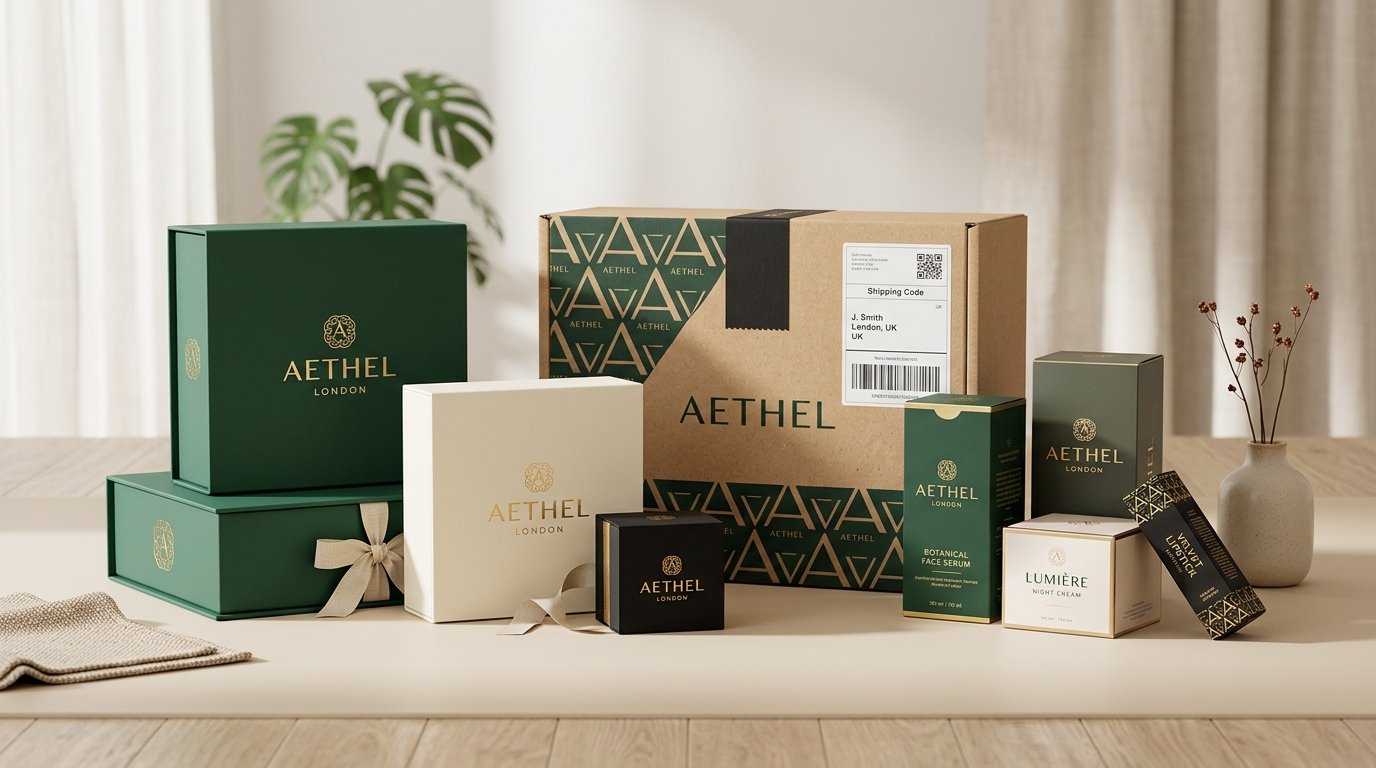
Visual contrast is critical. High-contrast gradients, dark theme backgrounds, and glowing metallic foil accents catch the human eye first. By choosing custom geometric shapes (like slide-out drawers, sleeve boxes, or built-in carrying handles) instead of standard square shapes, you break the monotony of the retail shelf and command interest from passing shoppers.
Choosing the Best Raw Materials for Structural Integrity
The weight, fragility, and value of the product determine the paperboard stock configuration. Choosing the correct material keeps products safe and improves sustainability:
- SBS Cardstock: Bleached solid board offers a clean, medical-grade white background. It is the premier choice for cosmetic and tech packaging because it shows fine details and colored graphics accurately.
- Eco-Friendly Natural Kraft: Unbleached board made from recycled wood fibers. It has a organic brown, textured feel that conveys sustainability. It is highly popular for organic food, artisanal soap bars, and handmade candles.
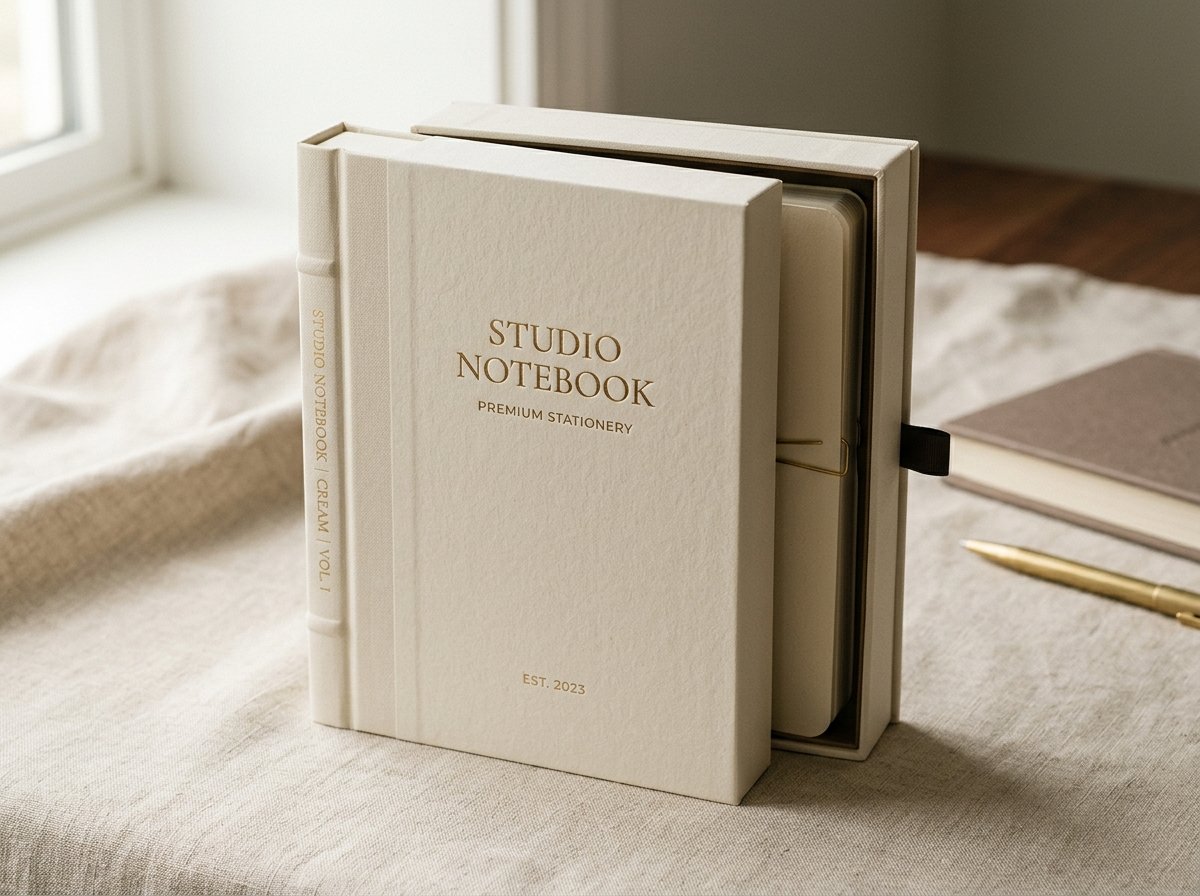
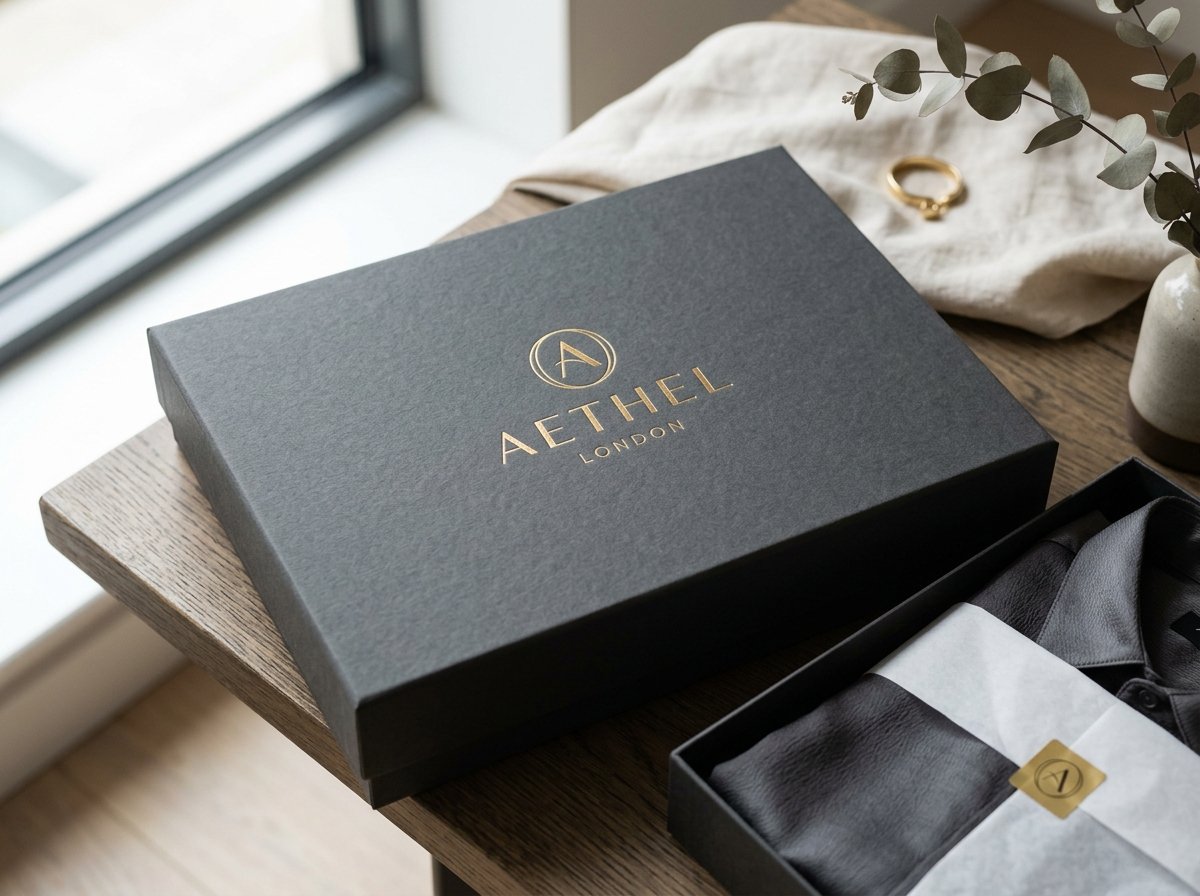
- Luxury Rigid Chipboard: Thick, non-collapsible greyboard cores wrapped in premium textured art paper. Rigid boxes offer the ultimate luxury feel and durability, making them popular for watches, jewelry, and high-end tech accessories.
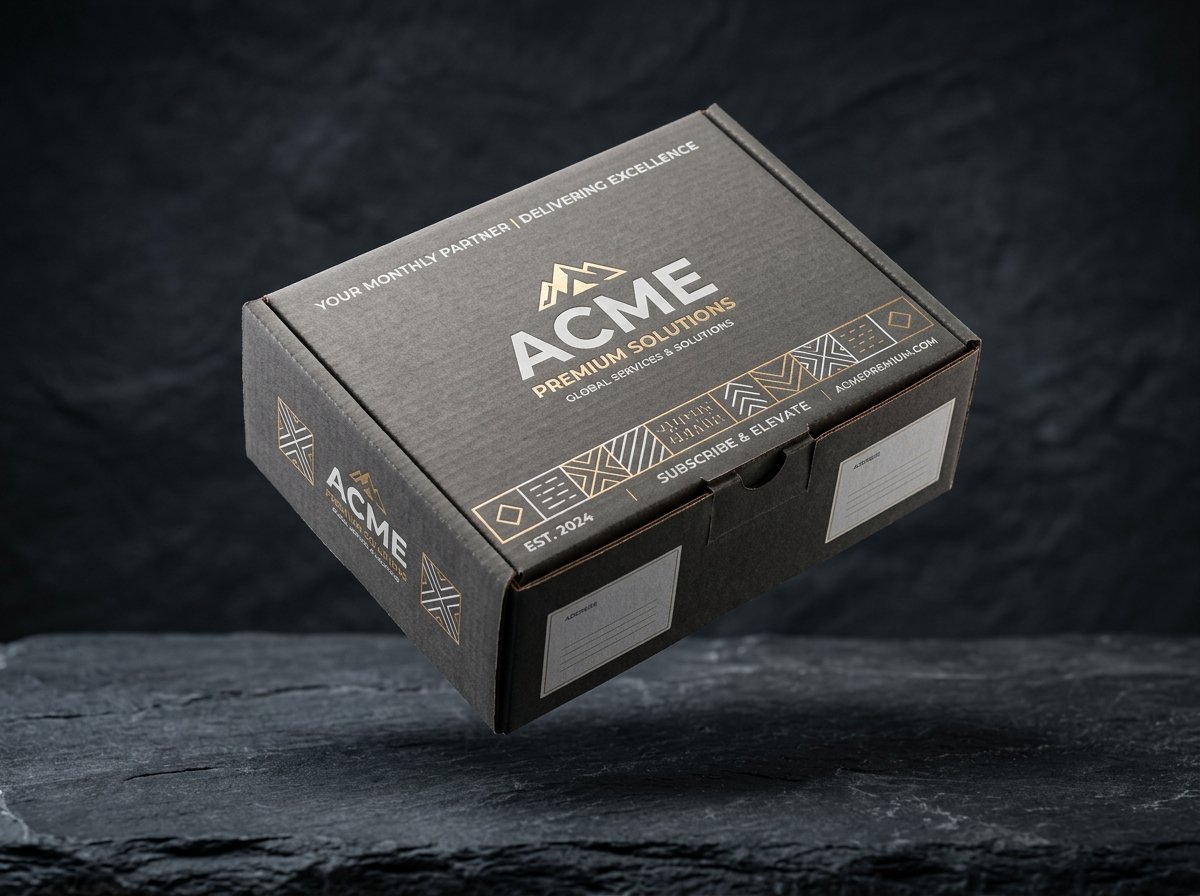
- Corrugated Fluted Board: Fluted paper layers sandwiched between linerboards provide excellent crush resistance. E-flute fluting is popular for e-commerce mailers, while B-flute is used for heavy retail shipping cartons.
Enhancing Visual Appeal with Advanced Coating Finishes
Applying special finishes makes your custom boxes look premium and unique. These coatings add texture and protect the printed artwork from scratches, scuffs, and fingerprints:
- Spot UV Gloss: Ultraviolet light cures a liquid gloss varnish on selected design elements, contrasting with a matte background for a striking reflective highlight.
- Hot Foil Stamping: Heat and pressure apply metallic foils (orange, copper, gold, silver, rose gold, or holographic) to typography or logo marks.
- Embossing and Debossing: Custom dies press the board upward or downward, creating raised or recessed areas that invite touch.
- Soft-Touch Lamination: A non-reflective film coating that gives the box a velvety texture, popular for luxury wellness and cosmetics lines.
Meeting Modern Eco-Conscious Packaging Standards
Environmental responsibility is a key part of modern consumer expectations. Brands must integrate eco-friendly practices into their sourcing and production:
All packaging paper stocks should be sourced from forests certified by the Forest Stewardship Council (FSC). This ensures that harvested trees are replaced, protecting biodiversity. Additionally, printing with soy-based organic inks instead of petroleum inks yields brighter colors, prints cleanly, and decomposes safely during municipal recycling. Using custom cardboard dividers instead of plastic blister trays also creates fully biodegradable, plastic-free packaging setups.
Logistical Optimization and Shipping Efficiencies
Efficient shipping keeps operational costs low. Custom boxes should be designed to pack tightly inside master shipping cartons, reducing empty space and freight charges. All custom boxes are flat-packed and wrapped in shrink film, saving storage space. Assembly is quick and intuitive with pre-creased fold lines, secure tab tucks, or auto-lock bottoms, streamlining your warehouse packaging workflow.
Furthermore, custom packaging provides a great opportunity for marketing campaigns. Printing welcome messages, social hashtags, or instruction manuals inside the inner panels creates an interactive unboxing experience. This encourages customers to record unboxing videos and share them on platforms like Instagram and YouTube. This user-generated content (UGC) acts as highly trusted, free advertising for your brand, driving organic traffic and new sales back to your website.
Conclusion: Key Takeaways for Brand Growth
To conclude our discussion on Small Product Boxes Offer Customer Friendly Custom Packaging But How, custom packaging is a vital investment for building brand loyalty and improving retail sales. By choosing premium materials, applying tactile finishes, and ensuring structural strength, you protect your product and elevate your brand presence. If you're looking to design custom packaging, contact our design lab at sales@itscustomboxes.com or call +92 332 4819321. We provide free dieline templates and digital 3D models to ensure complete customer satisfaction before production begins.